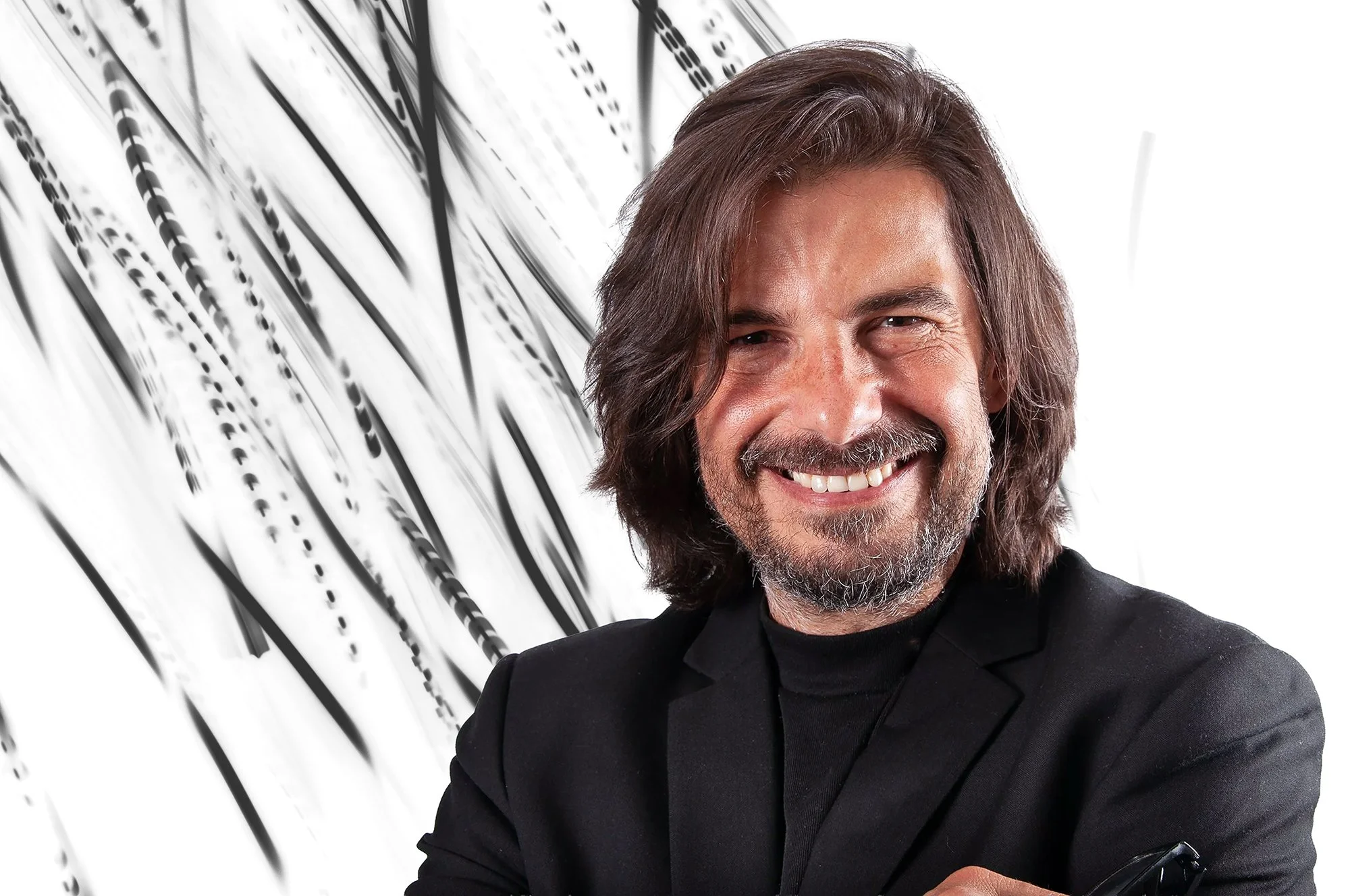
Art Photography Is Structure, Not Subject
© Jose Penm
Photography is often expected to document, to represent, to prove. It’s treated like a witness with a clean memory: here is the object, here is the moment, here is the story.
My work opposes that promise.
What I am after is not the object. I do not photograph the thing—I photograph its light and its movement.
I photograph the trace it leaves when time is allowed to breathe.
With long exposure, light becomes material and motion becomes line.
The camera stops being a window and starts acting like a press: it holds, compresses, and releases form.
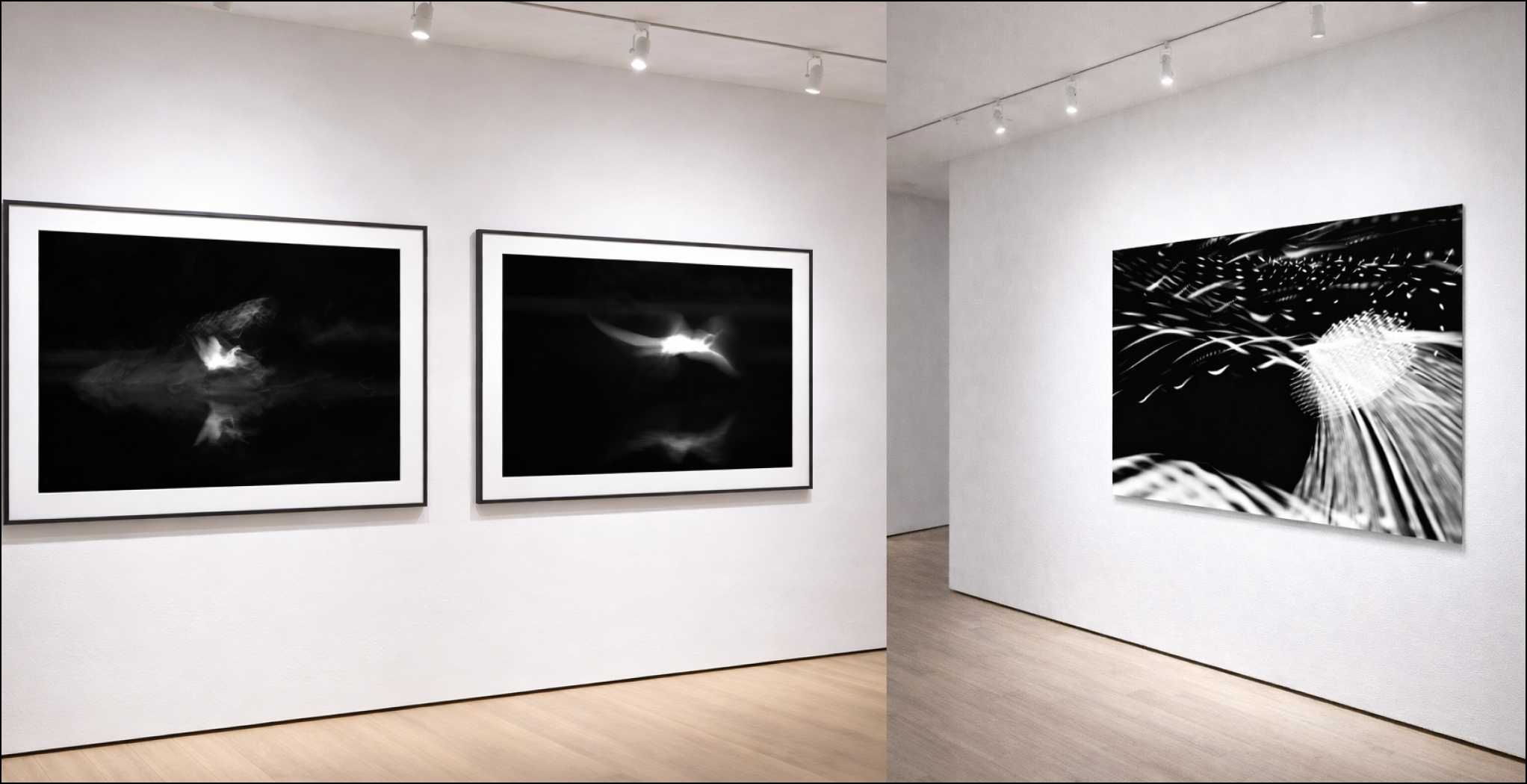
Five works are currently on view (February through April 2026) at Parktheater Eindhoven, drawn from a broader body that marked my beginning fine art trajectory.
Each piece is produced as a limited archival edition—museum-quality, exhibition-ready—accompanied by documentation, provenance, and the quiet rigor collectors and institutions require.
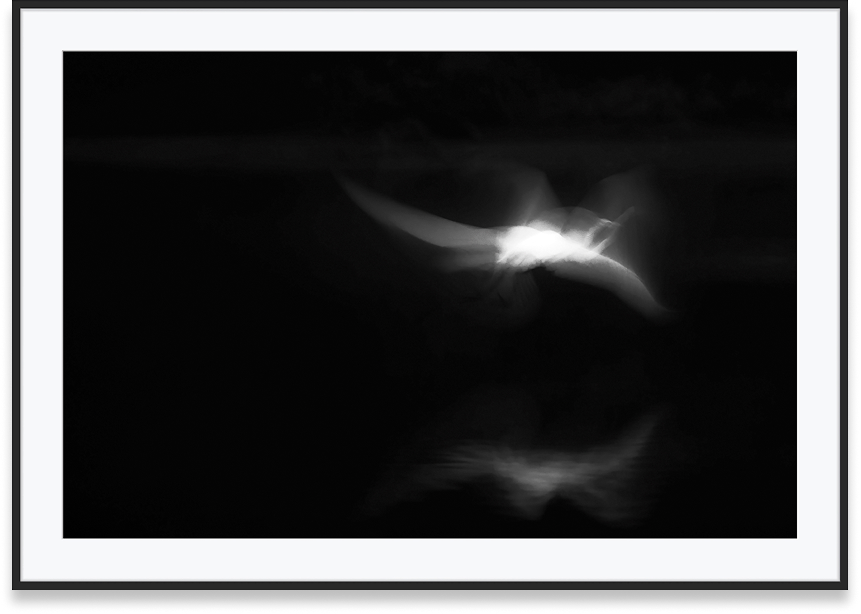
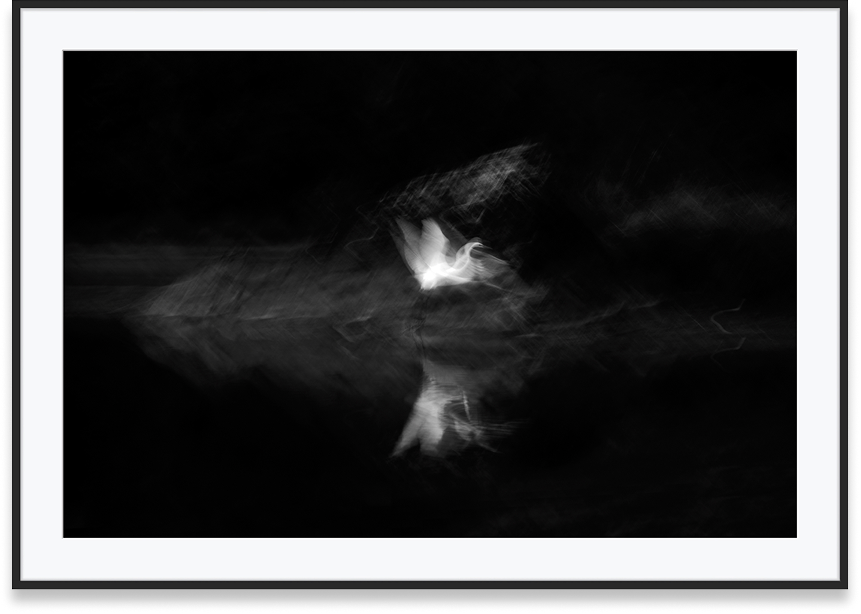
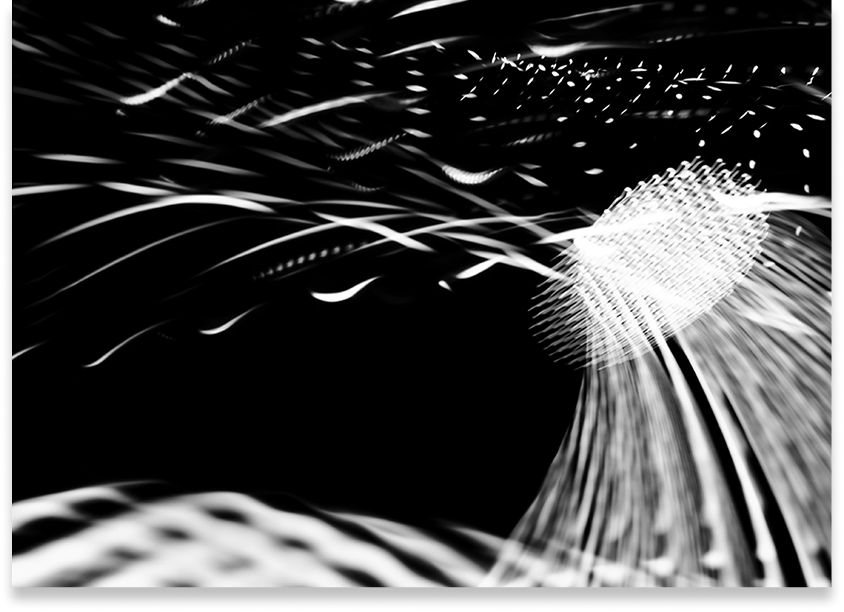
The first decision is simple: remove the obligation to describe.
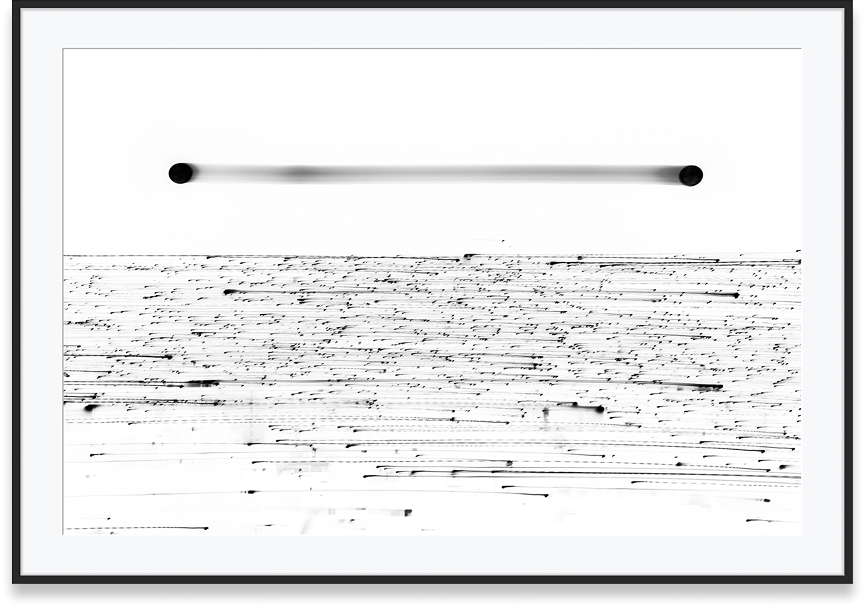
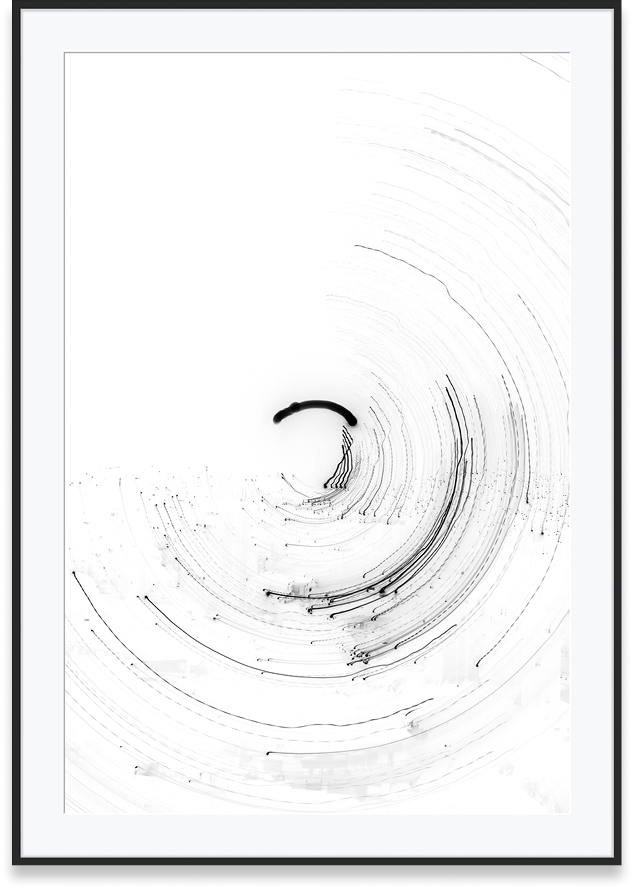
In these works, source are removed it. The origin may be physical, but the result is graphic—compositions detached from their starting point.
The frame becomes a field of force. Blacks don’t decorate; they hold.
Lines don’t illustrate; they command. Intervals are not empty—they are measured air.
This is abstract photography built from real light, not from a digital shortcut.
The method is direct: long exposure, controlled movement, and a precise refusal to “explain” the subject.
What remains is structure—tension, balance, density, direction—assembled with the same seriousness one gives to drawing or printmaking.
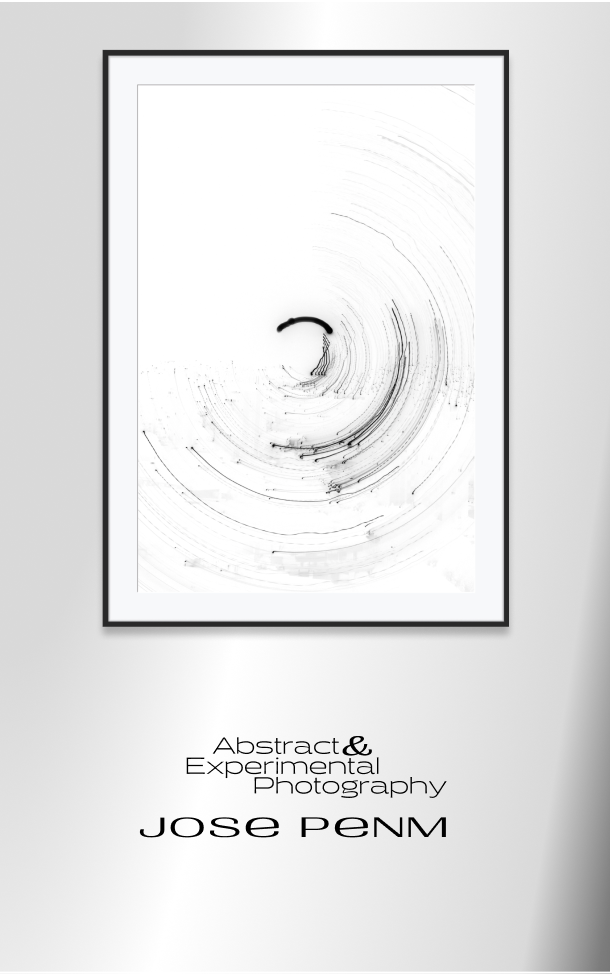
That seriousness matters, because the category matters. This is art photography that insists on being read as construction, not as report.
It is photo art where the photograph behaves like an object in its own right—an image that doesn’t point outward, but inward, toward its own architecture.
If you’ve encountered fine art and photography as separate languages—one supposedly conceptual, the other supposedly literal—this body of work is where those assumptions soften.
It treats the photographic surface like paper that breathes: pressure, release, and residue. It treats light like matter you can cut, tension, and sharpen until it holds on the wall with authority.
“These works resist logical interpretation.”
Not because they lack logic—but because they resist narrative expectation.
We are trained to look for subjects, symbols, stories. When none appear, we assume something is missing. Yet nothing is absent. What changes is the assignment.
The work does not ask, “What is it?” It asks, “What is it doing?”
The eye searches for explanation and encounters rhythm. It looks for representation and finds movement. It seeks narrative and discovers balance.
The mind wants to translate what it sees into meaning, but meaning here is not delivered by iconography.
Meaning is delivered by structure: the way a line accelerates, the way a dark plane stabilizes, the way a luminous interval opens space.
I am not using the camera to harvest reality; I used it to construct a new image —built from the same raw material that makes all photography possible: light, time, and decision.
That is why the pieces resist “interpretation” in the usual sense. Interpretation often means decoding—extracting a message hidden behind the image. These works do not hide a message.
If you let the demand for recognition fall away, the work becomes legible in another register. The wall turns into a stage where forces meet: pull, friction, pause. The image holds like a chord. It doesn’t tell a story; it makes a condition.
They redirect attention:
From subject to structure.
From story to sensation.
From recognition to perception.
In that shift, the photograph stops performing as evidence and starts performing as form. It becomes art fine photography in the strict sense: a constructed object, controlled in its making, clear in its demands, and durable in its presence.
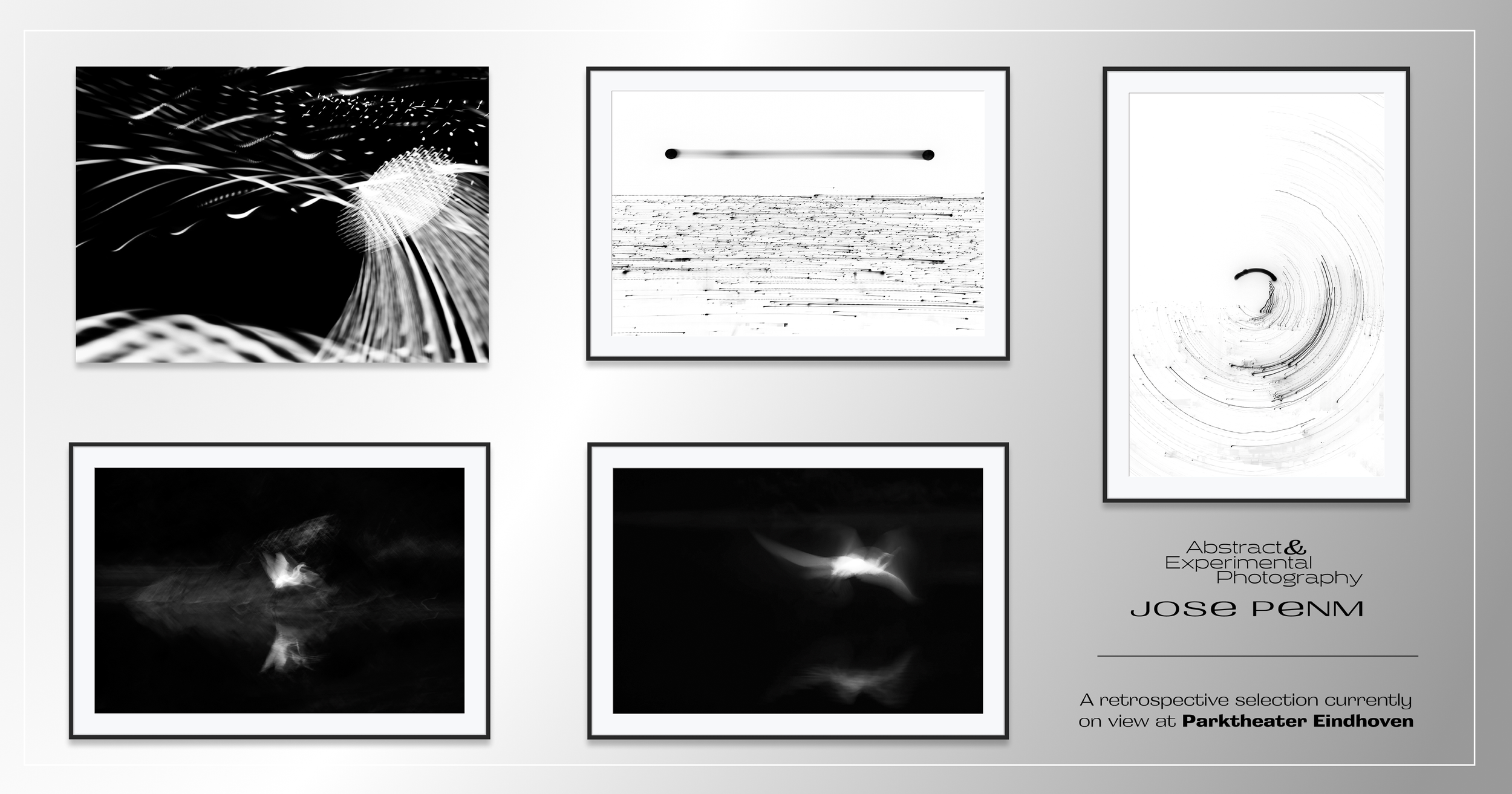
If this structural approach to fine art photography aligns with your curatorial research, acquisition strategy, or exhibition programming, I can share the private dossier and installation views.
Request it here: Curated Shortlist
FAQs
What does “structure, not subject” mean in this work?
Is this abstract photography made in-camera or digitally constructed?
Why do the works “resist logical interpretation”?
What makes these works collectible and museum-quality?
Where are the works on view and what is the time frame?
How can I request the private dossier and installation views?
If you prefer, reply directly and it can be sent to you.